



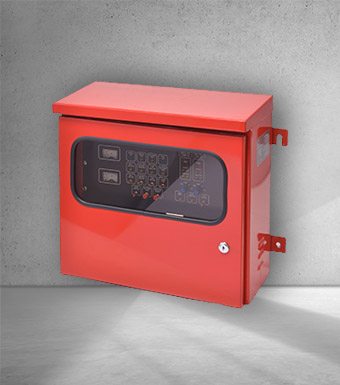
 Fire Alarm Systems
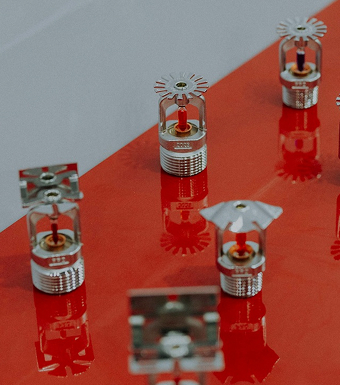
 Fire Sprinkler Systems
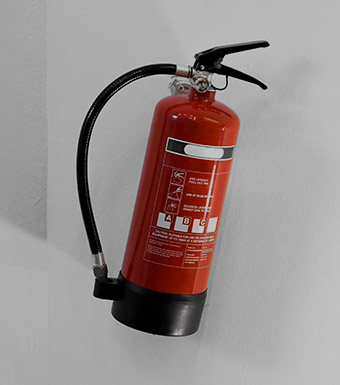
 Fire Extinguishers
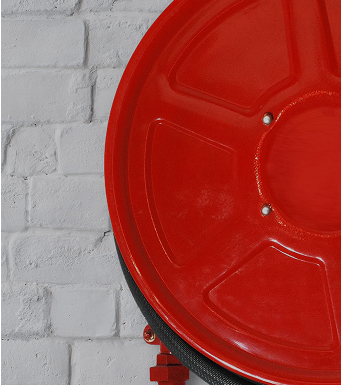
 Hose Reel Systems
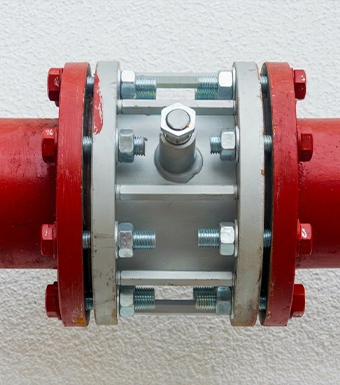
 Mechanical Couplings & Fittings
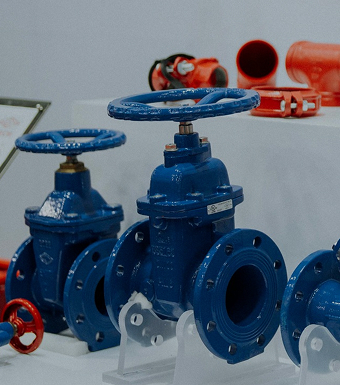
 Valves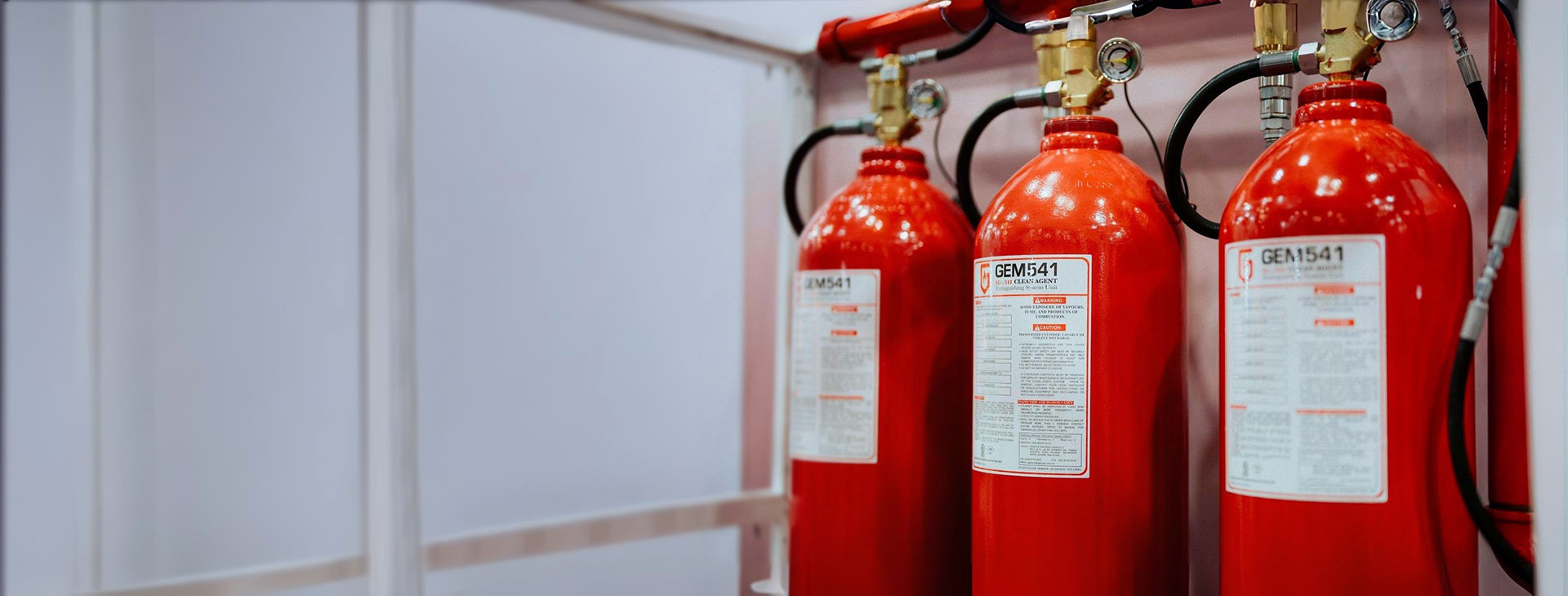

Welcome To
VIC Engineering.
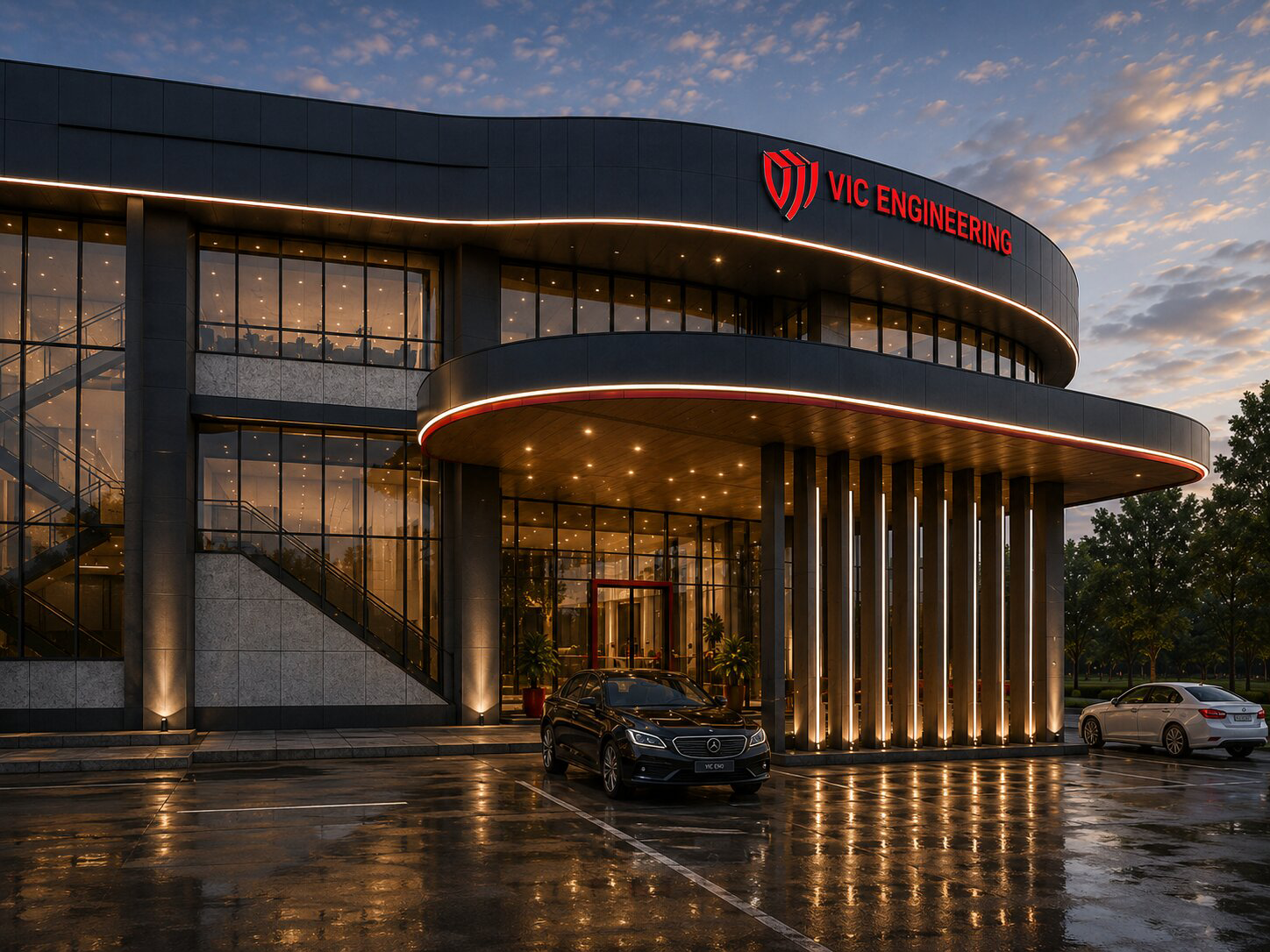
Trusted by top companies and organisations, VIC Engineering was founded in 1991 and is the leading provider of fire protection systems in Malaysia. With over 30 years of experience in fire protection solutions, we are committed to providing the best quality products and services to our clients.
What We Seek To Achieve.




We Work with
the best Partners.





Leading Provider of
Certified Firefighting Solutions.
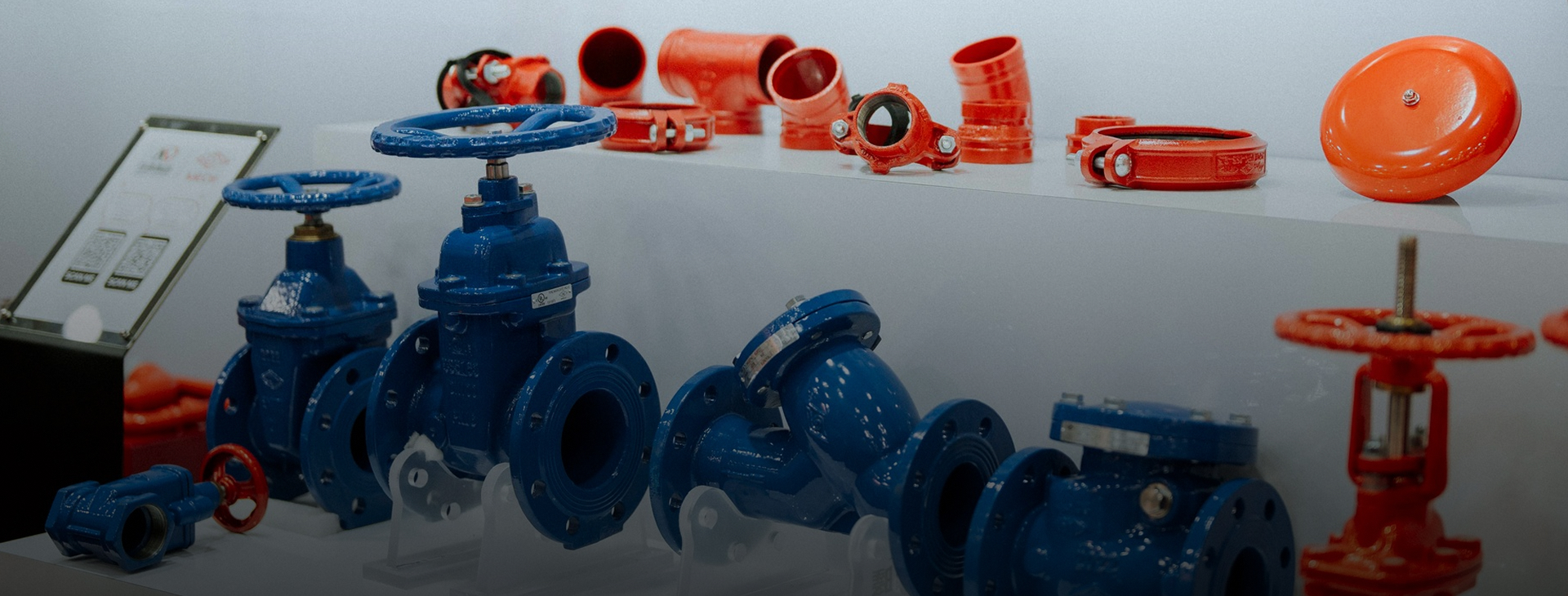
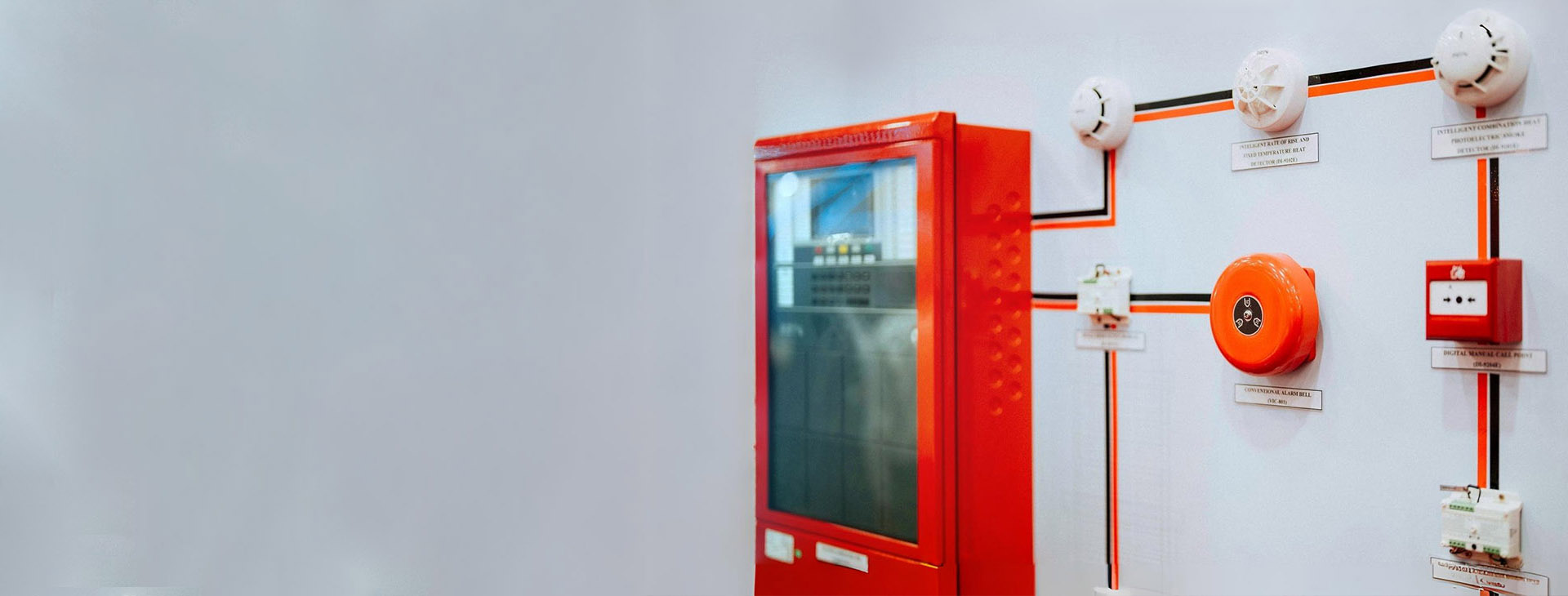
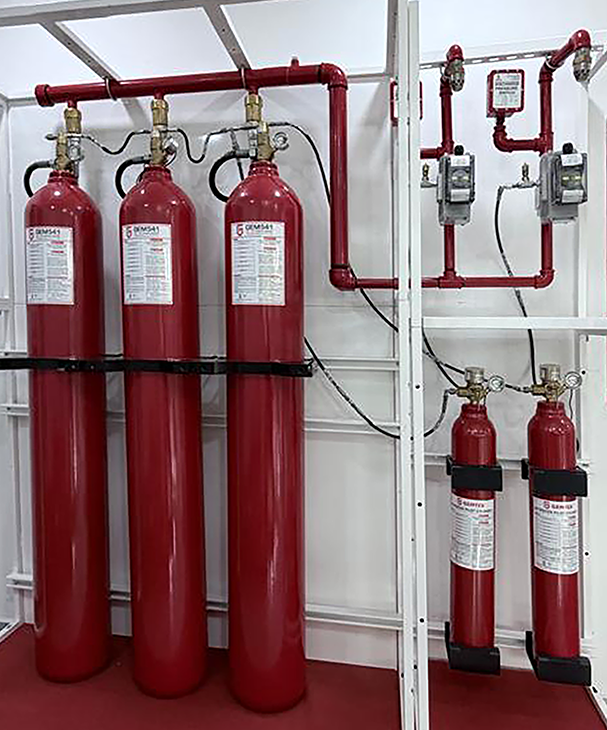
VIC Engineering is poised as one of the leaders not only in marketing and distributing a wide range of novel Fire Fighting Systems and Equipment. The products we provide are backed by internationally recognized certifications and qualifications.








Our Lastest News.
Frequently Asked Questions
On Fire Protection System.
Fire protection systems can be classified into two general categories: active fire protection systems and passive fire protection systems.
An active system refers to the equipment that is proactively installed to detect and suppress fires before they can cause significant damage. Examples of active fire protection equipment include fire alarm systems, automatic fire suppression systems, etc.
By contrast, passive fire protection refers to measures taken to prevent the spread of a fire by relying on physical barriers between combustible materials such as walls made from masonry blocks filled with concrete or plaster, metal doors with metal frames, etc.
Overall, the goal of any fire protection system is to provide early detection and rapid response in order to minimise damage, injury, and loss of life due to fires.
A fire protection system consists of several components that work together to detect and extinguish fires quickly and efficiently.
A typical fire protection system consists of several components, including fire detection, an alarm, a means of extinguishing or suppressing the fire, and an associated control system.
Designing a fire protection system begins with understanding the local building codes and regulations. These will provide a framework for designing the system, including any specific requirements that must be met.
Next, it is important to assess the type of fire protection needed for the building. This includes considering factors such as occupancy type and any hazardous materials present. With this information in hand, an appropriate type of fire protection system can be chosen.
Finally, it is important to ensure that the system is properly installed and maintained according to the manufacturer’s instructions. Regular maintenance and inspections should also be conducted to identify any potential issues before they become a problem.
In Malaysia, fires are classified into Class A, Class B, Class C, Class D, Class E, and Class F.
- Class A fires involve combustible organic materials such as wood, paper and cloth.
- Class B fires involve flammable liquids such as petrol, diesel and kerosene.
- Class C fires involve flammable gases such as methane and propane.
- Class D fires involve combustible metals such as magnesium, sodium and potassium.
- Class E fires involve electricity such as live equipment and electrical sources.
- Class F fires involve cooking oils such as vegetable oils and fats.
Explore Exciting Career Opportunities with Us.
Join VIC Engineering and be part of a team dedicated to excellence and innovation in fire protection. We offer a dynamic work environment with growth opportunities, continuous learning, and the chance to make a real impact.
Don’t Hesitate
To Contact Us.
Get in touch with VIC Engineering for all your fire protection needs. Our team is ready to assist you with expert solutions and support. Reach out to us today!
